Biblical Teaching
The Crimson Worm: A Remarkable Illustration of Jesus Christ's Sacrifice
By David Boiarsky · November 4, 2026
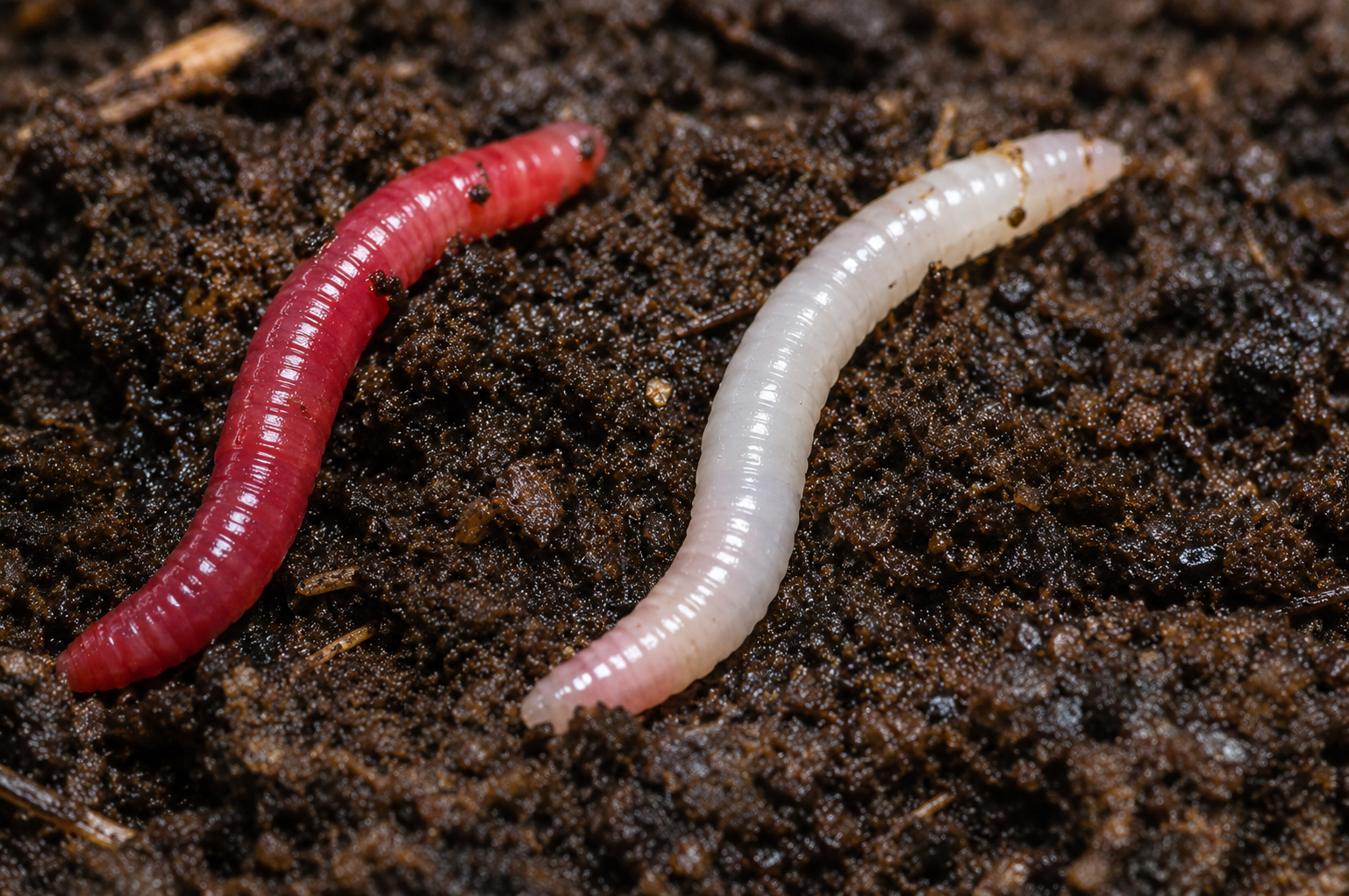
The Crimson Worm: A Remarkable Illustration of Jesus Christ's Sacrifice
God often uses simple things to reveal profound spiritual truths. Throughout the Bible, we find illustrations in nature that point to His character, His plan of redemption, and ultimately His Son, Jesus Christ. One such illustration is the crimson worm, a small creature whose life cycle provides a compelling picture of Christ's sacrificial love.
Although the crimson worm is not explicitly identified in Scripture as a symbol of Jesus, the similarities between its life cycle and Christ's redemptive work are both fascinating and inspiring.
A Worm Mentioned in Prophecy
In Psalm 22, a prophetic chapter describing the suffering of the Messiah, David writes:
"But I am a worm, and no man; a reproach of men, and despised of the people." (Psalm 22:6)
The Hebrew word translated as "worm" is tola, which is associated with a crimson-colored worm used in ancient times to produce scarlet dye. Psalm 22 contains many details that were later fulfilled during the crucifixion of Jesus, making this reference especially significant.
Jesus willingly humbled Himself and became the suffering servant foretold by the prophets.
The Crimson Worm and Its Sacrifice
According to traditional accounts, when the female crimson worm is ready to reproduce, she permanently attaches herself to a tree or wooden surface. She then lays her eggs beneath her body, creating a protective covering for her offspring.
As the young mature, the mother worm dies. During this process, a crimson stain is left on the wood and on the young worms. The offspring receive life because of the sacrifice of the mother. Eventually, the worm's remains turn white and fall away.
For many believers, this provides a vivid illustration of the Gospel.
Jesus Was Attached to a Tree
The crimson worm fastens itself to wood as part of its sacrificial purpose.
In a much greater way, Jesus was nailed to a wooden cross for the salvation of humanity.
"Who his own self bare our sins in his own body on the tree..." (1 Peter 2:24)
The cross was not an accident. Christ willingly gave Himself as the perfect sacrifice for sin.
His Blood Brings Redemption
One of the most striking parallels is the crimson color associated with the worm.
Throughout Scripture, scarlet and crimson often symbolize both sin and redemption. Jesus shed His blood on Calvary so that sinners could be forgiven and restored to God.
"In whom we have redemption through his blood, the forgiveness of sins..." (Ephesians 1:7)
Just as the crimson stain became a sign of life for the worm's offspring, the blood of Christ became the means of eternal life for believers.
Covered by Grace
The young worms remain protected beneath the body of their mother.
Likewise, believers are spiritually covered by the grace and righteousness of Jesus Christ.
"Blessed is he whose transgression is forgiven, whose sin is covered." (Psalm 32:1)
Those who trust in Christ are no longer condemned but are accepted before God through faith in Him.
From Scarlet to White
The crimson worm is said to turn white after death, creating another powerful spiritual picture.
Isaiah declared:
"Though your sins be as scarlet, they shall be as white as snow." (Isaiah 1:18)
Through Christ's sacrifice, the stain of sin is removed. What was once crimson with guilt is made white through the cleansing power of God's forgiveness.
Life Through Sacrifice
The central message of the Gospel is that life comes through the death and resurrection of Jesus Christ.
The crimson worm gives its life so that its offspring may live. Jesus gave His life so that humanity could be reconciled to God and receive eternal life.
"For God so loved the world, that he gave his only begotten Son..." (John 3:16)
No illustration from nature can fully capture the greatness of Christ's sacrifice, but the crimson worm offers a beautiful reminder of God's love and redemption.
Final Thoughts
The story of the crimson worm points our attention to the cross, where Jesus demonstrated the greatest act of love in history. Its crimson stain reminds us of the precious blood of Christ. Its sacrifice reminds us of the Savior who laid down His life for the world. Its transformation from red to white reminds us of the cleansing power of God's grace.
As believers reflect on this remarkable illustration, may they be reminded of the words of the Apostle Peter:
"Forasmuch as ye know that ye were not redeemed with corruptible things... But with the precious blood of Christ." (1 Peter 1:18-19)
Closing Encouragement
The crimson worm may be small, but it points to a Savior whose love is immeasurable and whose sacrifice changed eternity forever.
Reader Comments
Please be kind, stay on topic, and protect other people's privacy. No harassment, advertising, or spam. Comments are reviewed before appearing. Community guidelines
No comments yet.
Related Teachings
FAITH IN ACTION - DAVID - BOOK 10
Discover the inspiring story of David, the shepherd who became king and was known as a man after God's own heart. Explore powerful biblical lessons about faith, courage, obedience, patience, leadership, repentance, and trusting God's timing. Learn how David's life reminds us that God looks beyond outward appearances and desires a heart that is willing to follow Him.
FAITH IN ACTION - ESTHER - BOOK 9
Discover the inspiring story of Esther and how she found the courage to stand up for her people. Her journey teaches powerful lessons about faith, God's providence, courage, wisdom, and recognizing the opportunities God places before us. Learn what it means to answer God's call for such a time as this.